

HSE University at VK Fest: VR Games and Emotion Recognition
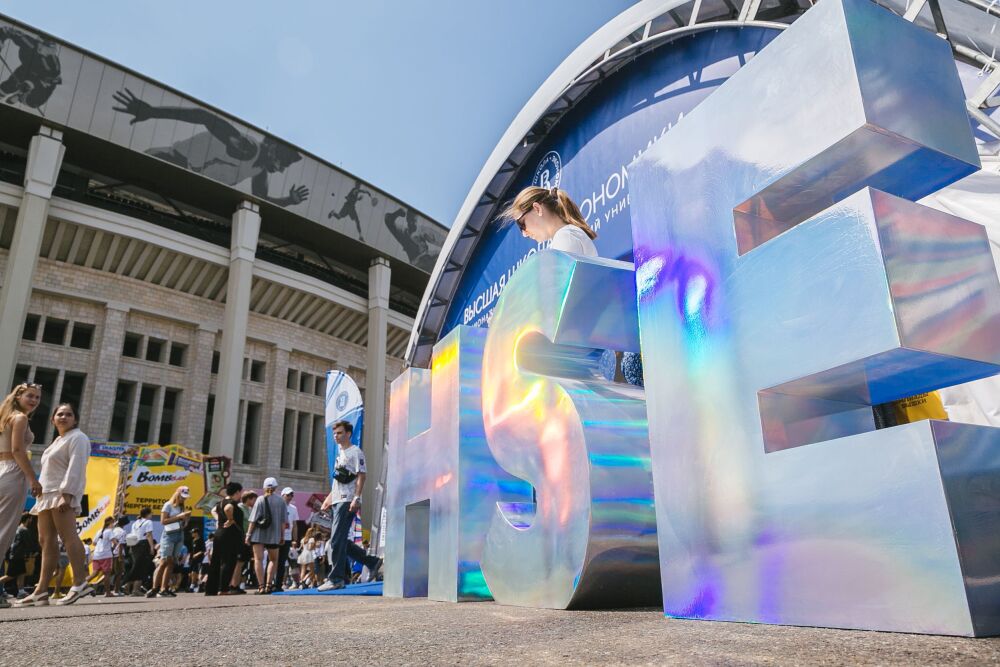

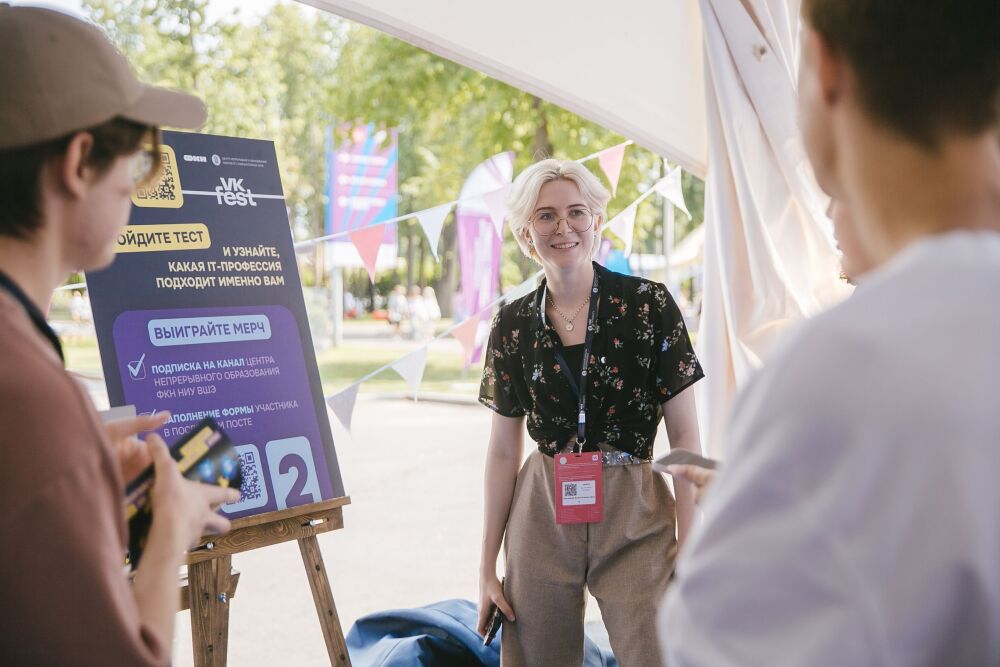

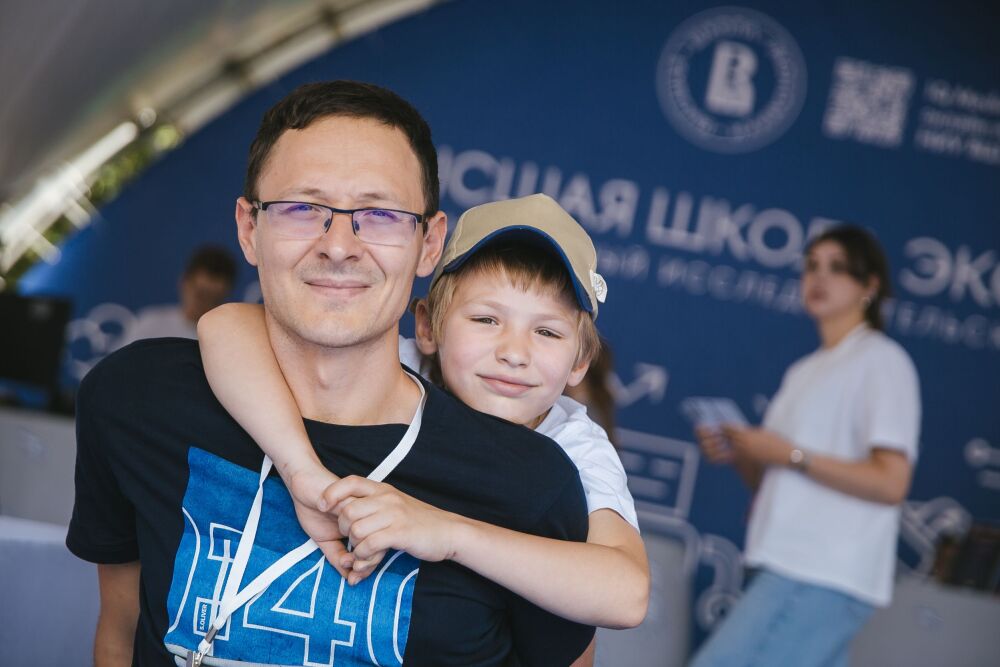
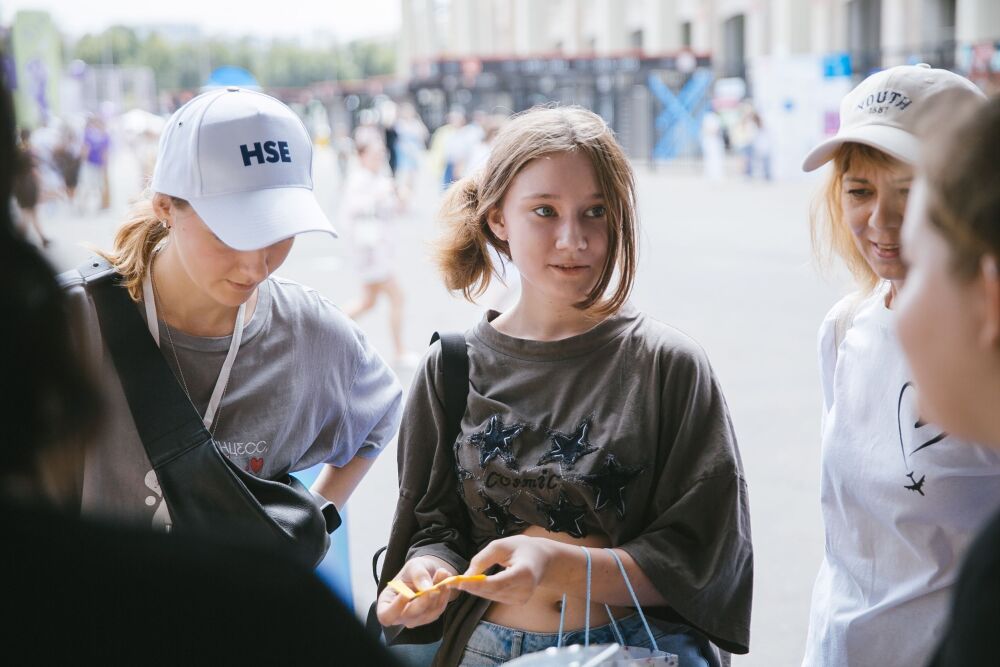
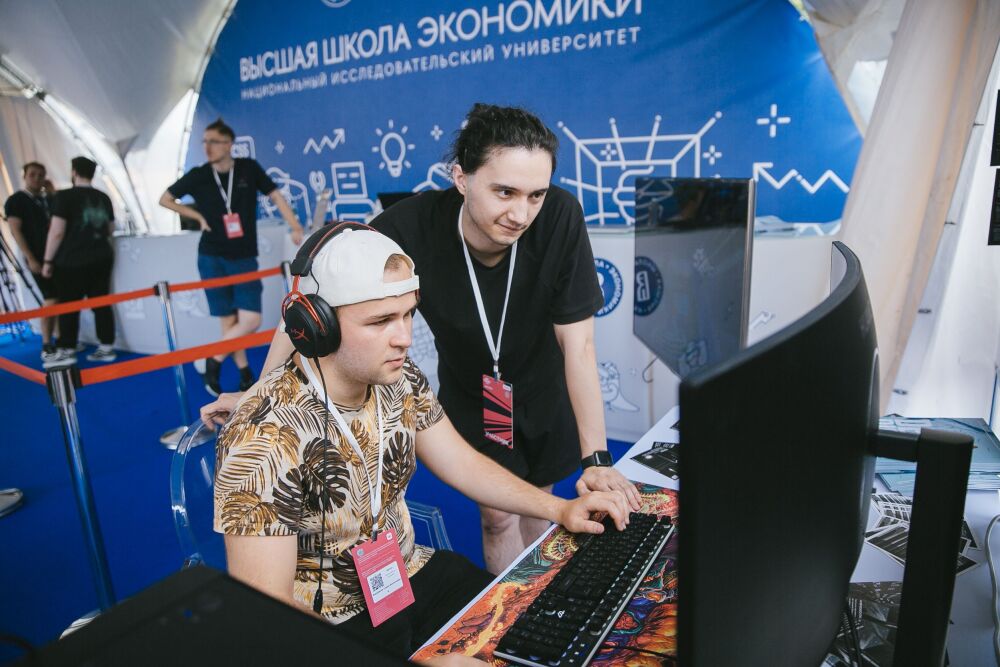






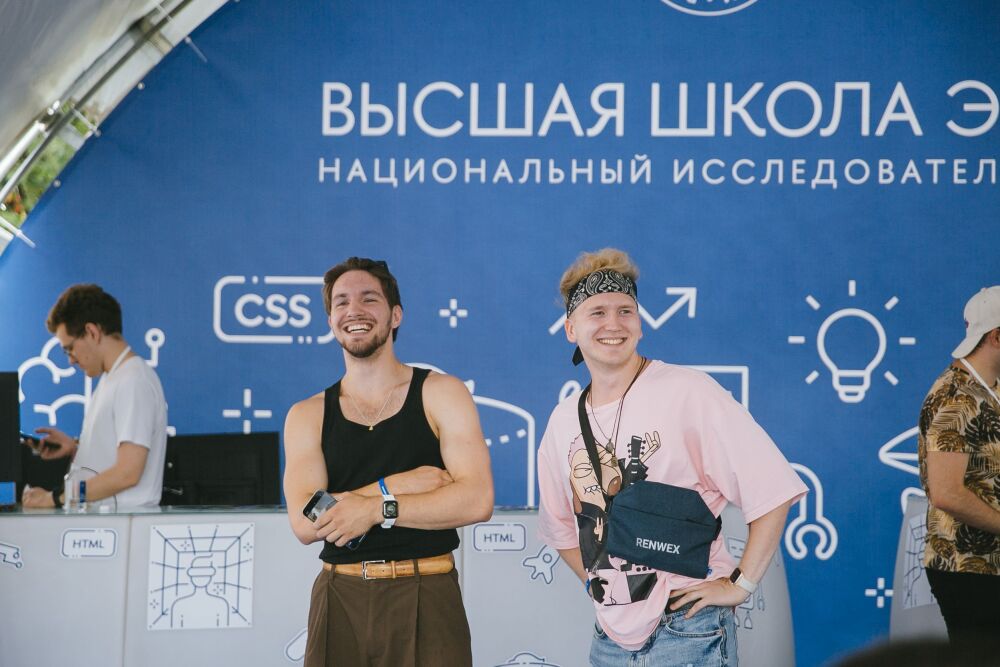


On July 13-14, 2024, the annual large-scale VKontakte festival took place at Moscow’s Luzhniki Stadium. HSE University, as usual, participated in the event. The university's tent featured a variety of activities, including emotion recognition challenge, quizzes about artificial intelligence, IT career testing, a smile detector, VR gaming, and a blue tractor equipped with a smart sprinkler system.
Analysing Experiences
For two days, the atmosphere at the HSE University tent was filled with positive emotions, which the staff of HSE Centre for Cognition & Decision Making could easily recognize. The researchers used FaceReader software that could analyse facial expressions and objectively assess human emotions.
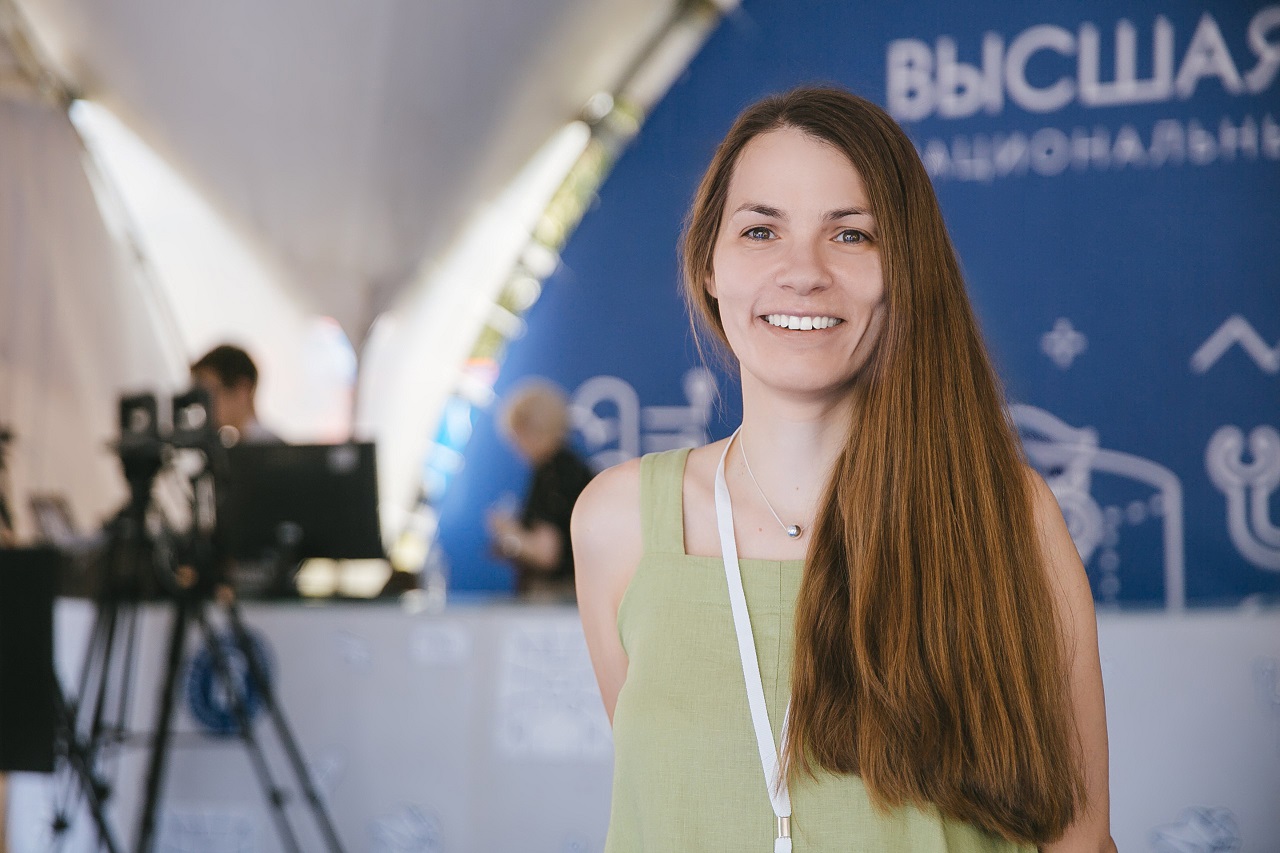
The Centre’s staff demonstrated how these technologies are developed today and how they can be applied. ‘We use them for research purposes,’ said Anna Shepelenko, Junior Research Fellow at the Centre. ‘For example, we determine how emotions are related to charitable behaviour. We show different videos on this topic to our subjects and analyse their emotions based on their facial expressions. There are various circumstances and types of behaviour that are linked to our emotions, and when we use such affective computing technologies, we can identify the connection between our emotional state and behaviour.’
At VK Fest, guests had the opportunity to compete with FaceReader in recognizing human emotions and win prizes for their accuracy. ‘We also offered our guests the chance to play pantomime and describe various situations using emotions,’ added Anna Shepelenko.
‘No Smiling’
While one section of the tent was dedicated to demonstrating emotions, another one had a ‘no smiling’ rule, which was closely monitored by a detector.

‘Initially, this project was implemented for the filming a web show Medium Quality Production. During the show, the participants were not allowed to laugh or even smile. We developed a neural network that analyses video recording from several cameras, and if someone smiles, we immediately show them in close-up,’ explained Mikhail Moiseev, Research Assistant at the MIEM Laboratory of the Internet of Things and Cyber-Physical Systems.
The Way to Science
The HSE Centre for Cognition & Decision Making, in collaboration with the Ministry of Science and Higher Education of the Russian Federation, presented their project ‘I Chose Science’ at the festival. Alexandra Dolgoarshinnaya, Junior Research Fellow at the Centre, is a member of the project team.

‘This is an entertaining popular science content that aims to promote the lifestyle of scientists and attract young people to research,’ she explained.
Blue Tractor
The festival guests were also introduced to a branded blue tractor equipped with a smart sprinkler system, created as part of a student start-up project.


‘This special agricultural machine, known as sprayer, disperses various liquids, including chemical solutions for weed control. However, the problem is that these chemicals often end up on crops,’ said Elir Nabiyev, a third-year student of the Business Administration programme of HSE Graduate School of Business. ‘My project involves installing cameras and computers onto the sprayer bar, allowing the system to automatically detect weeds and activate the appropriate sprayer.’ The working prototype of this innovative solution was designed and created by MIEM students, and it was showcased at the ATM Congress 2024 international conference in Abu Dhabi.
Virtual Reality Gaming

A VR game became another popular attraction at the HSE University tent. ‘The participants fight the enemy, perform various tasks, and defeat the boss. All this, of course, takes place in virtual reality, providing maximum immersion,’ shared Nikita Kuznetsov, a first-year master's student in Design (‘System Game Design’ track). The students plan to continue developing the game by creating new levels and designing more challenging enemies, eventually launching it on gaming platforms.
The guests of the HSE University tent shared their impressions of the event.
Elizaveta Maryina
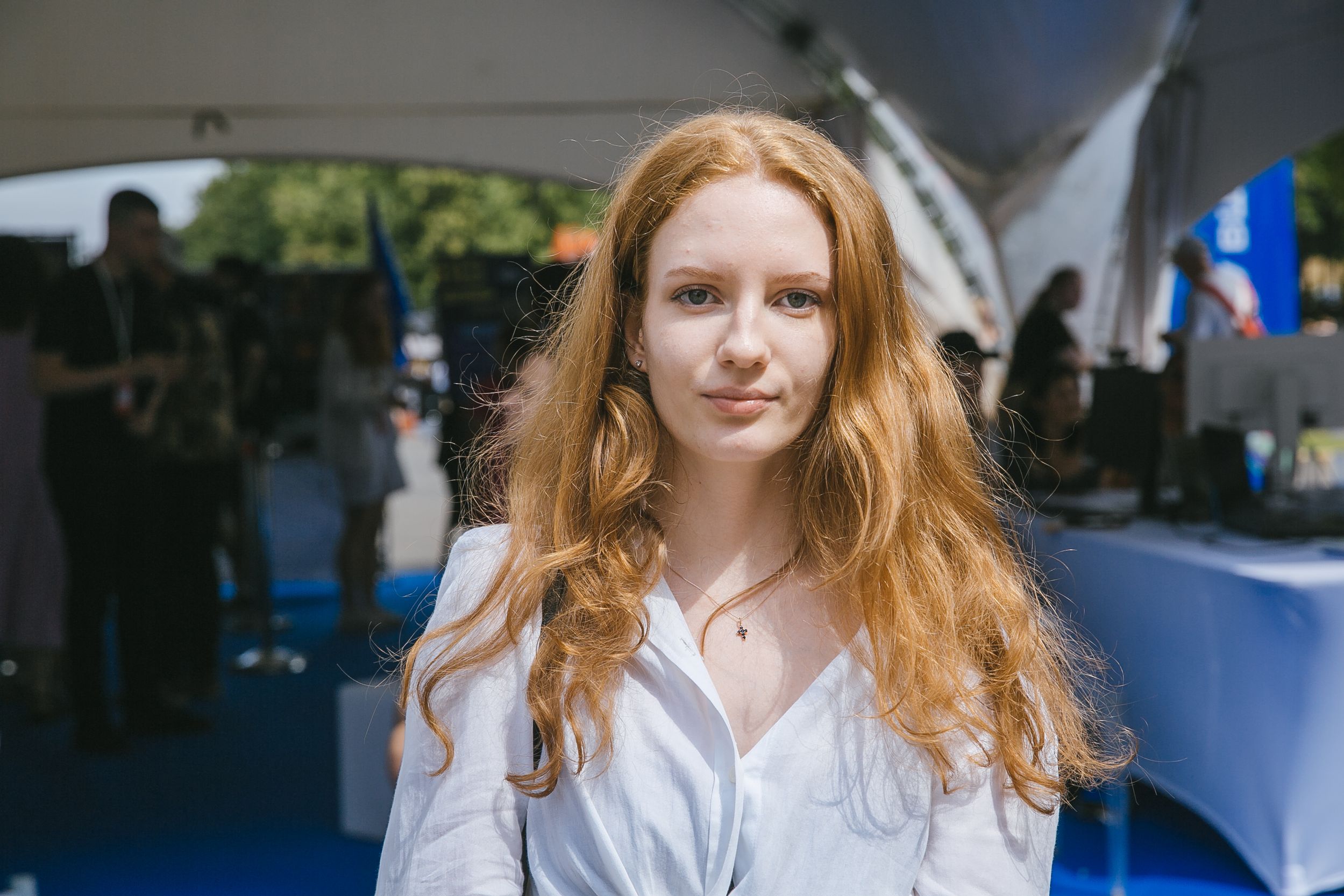
— This is my first time at VK Fest, I came with a friend who had been here before. She liked it and this time she invited me to come as well. At the HSE tent, I participated in a contest where you had to try not to laugh while watching memes. My friend didn't succeed, but I did and I won stickers with the HSE University logo. They are very cute!
Diana Kosheleva
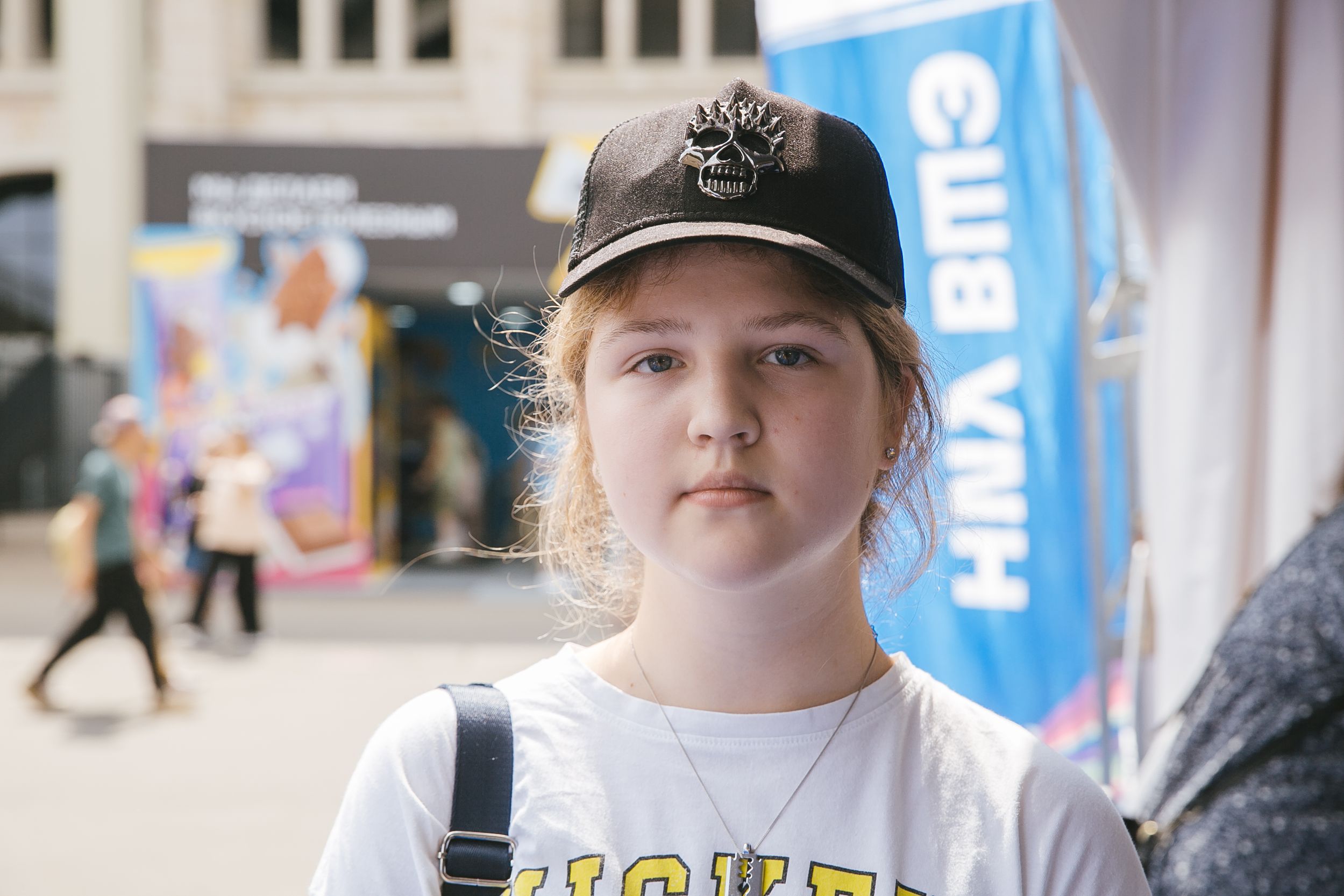
— I feel great today. This is my first time at this festival. At the HSE tent, we tried to guess the emotions of people without them speaking. We did well and I won a T-shirt. I'm really happy about that.
Anastasia Lipina

— I came to VK Fest from Tula. At the HSE tent, I took part in a competition and won. The atmosphere is great, and I really enjoy everything here. There are a lot of positive people around, the weather is nice, and the mood is fantastic.

See also:

Neural Network Maps as a Method for Constructing Mathematical Models
Scientists from HSE University–Nizhny Novgorod and the Institute of Physics Belgrade, Serbia, are jointly exploring the application of machine learning techniques and neural networks to the study of nonlinear dynamics. Natalya Stankevich, Leading Research Fellow at the Laboratory of Topological Methods in Dynamics of the Faculty of Informatics, Mathematics, and Computer Science at HSE University–Nizhny Novgorod, spoke to the HSE News Service about this international project.
Dancing, Drums, and African Languages: HSE University Holds First Afro Festival
On April 23, 2026 the first large-scale Afro Festival was held in the central atrium of the HSE University Pokrovka building. The event was organised by the African Students Association together with the Support and Career Centre for International Students and Alumni. During the festival, HSE students and staff explored the cultures of African countries by listening to music, dancing, and getting to know one another.
Teaching a Machine to Read the Past: HSE Develops Neural Network to Decipher Manuscripts
Diaries and letters are an invaluable resource for humanities scholars. But what can be done when the text is impossible to read? At the HSE Faculty of Humanities, this challenge has been translated into the language of mathematics: a team of philologists, historians, and machine learning specialists has created an information system that not only recognises illegible handwriting but also helps analyse archival content.
How Neural Networks Detect and Interpret Wordplay: New Insights from HSE Researchers
An international team including researchers from the HSE Faculty of Computer Science has presented KoWit-24, an annotated dataset of 2,700 Russian-language Kommersant news headlines containing wordplay. The dataset enables an assessment of how artificial intelligence detects and interprets wordplay. Experiments with five large language models show that even advanced systems still make mistakes, and that interpreting wordplay is more challenging for them than detecting it. The results were presented at the RANLP conference; the paper is available on Arxiv.org, and the dataset and the code for reproducing the experiments are available on GitHub.
Tying Knots, Eating Sweets, and Playing Go: HSE University Celebrates Chinese New Year
On February 18, 2026, a celebration of Chinese New Year was held in the central atrium of the Pokrovka building. The festive programme showcased the rich traditions of the holiday, including dance and violin performances, folk games, and a tea ceremony. The event was organised by HSE University's Chinese Culture Club and the Support and Career Centre for International Students and Alumni.
Educational Programmes on Robotics and Neural Network Technologies Launch at HSE University’s Faculty of Computer Science
Every year, in response to IT industry demands, the Higher School of Economics Faculty of Computer Science launches new educational programmes while updating existing ones. In 2026, the faculty introduced Bachelor’s and Master’s degree programmes in robotics for the first time.
Group and Shuffle: Researchers at HSE University and AIRI Accelerate Neural Network Fine-Tuning
Researchers at HSE University and the AIRI Institute have proposed a method for quickly fine-tuning neural networks. Their approach involves processing data in groups and then optimally shuffling these groups to improve their interactions. The method outperforms alternatives in image generation and analysis, as well as in fine-tuning text models, all while requiring less memory and training time. The results have been presented at the NeurIPS 2024 Conference.
‘When You Have a Lot to Do, You Find Time for Everything’
Egor Churaev specialises in neural networks. In an interview for the HSE Young Scientists project, he talked about his program for determining the emotions and engagement of online conference participants, his trip to Brazil, and his sports hobbies.
Beauty in Details: HSE University and AIRI Scientists Develop a Method for High-Quality Image Editing
Researchers from theHSE AI Research Centre, AIRI, and the University of Bremen have developed a new image editing method based on deep learning—StyleFeatureEditor. This tool allows for precise reproduction of even the smallest details in an image while preserving them during the editing process. With its help, users can easily change hair colour or facial expressions without sacrificing image quality. The results of this three-party collaboration were published at the highly-cited computer vision conference CVPR 2024.
Russian Researchers Improve Neural Networks' Spatial Navigation Performance
Researchers at HSE University, MISiS National University of Science and Technology, and the Artificial Intelligence Research Institute (AIRI) have developed an enhanced approach to reinforcement learning for neural networks tasked with navigation in three-dimensional environments. By using the attention mechanism, they managed to improve the performance of a graph neural network by 15%. The study results have been published in IEEE Access.