

Urban Studies Experts from HSE Discuss Cooperation Prospects with Chinese Partners

The team of the HSE Faculty of Urban and Regional Development (FURD) has held a series of meetings with partners in China as part of its working visit focused on advancing cooperation. The agenda included urban and agglomeration ranking research, the development of unique educational programmes in urban studies, and other key topics.
Dean of FURD Evgeny Mikhaylenko, Deputy Dean for International Affairs Victoria Khomich, and Head of the Vysokovsky Graduate School of Urbanism Ruslan Goncharov met with partners in Guangzhou and Shenyang. Notably, they held talks with the leadership of the Guangdong–CIS International Technological Cooperation Union—one of the faculty’s key partners in China. Discussions centred around joint projects such as urban and agglomeration ranking studies, academic exchanges with Chinese universities, and FURD’s planned participation in the Global Mayors’ Forum in Guangzhou in 2025.

Evgeny Mikhaylenko
‘Joint Russian–Chinese research in the field of urbanism will help tackle complex governance challenges in both major metropolitan areas and smaller towns, as well as identify development prospects. We are continuing to expand our collaboration in scientific research and plan to launch a joint educational project in the future,’ said Dean of the HSE Faculty of Urban and Regional Development Evgeny Mikhaylenko.

Guo Fengzhi
Guo Fengzhi, Secretary General of the Guangdong–CIS International Technological Cooperation Union, expressed gratitude to the FURD delegation for their friendly visit to China. ‘We held effective negotiations on a number of key areas concerning scientific and technological innovation, educational collaboration, experience exchange, and project cooperation,’ said Guo Fengzhi. ‘The faculty has long been our partner and works successfully with many regions of China. I believe the meetings in Guangzhou and Shenyang will contribute significantly to the development of Russian–Chinese relations, and we look forward to strengthening our longstanding cooperation.’
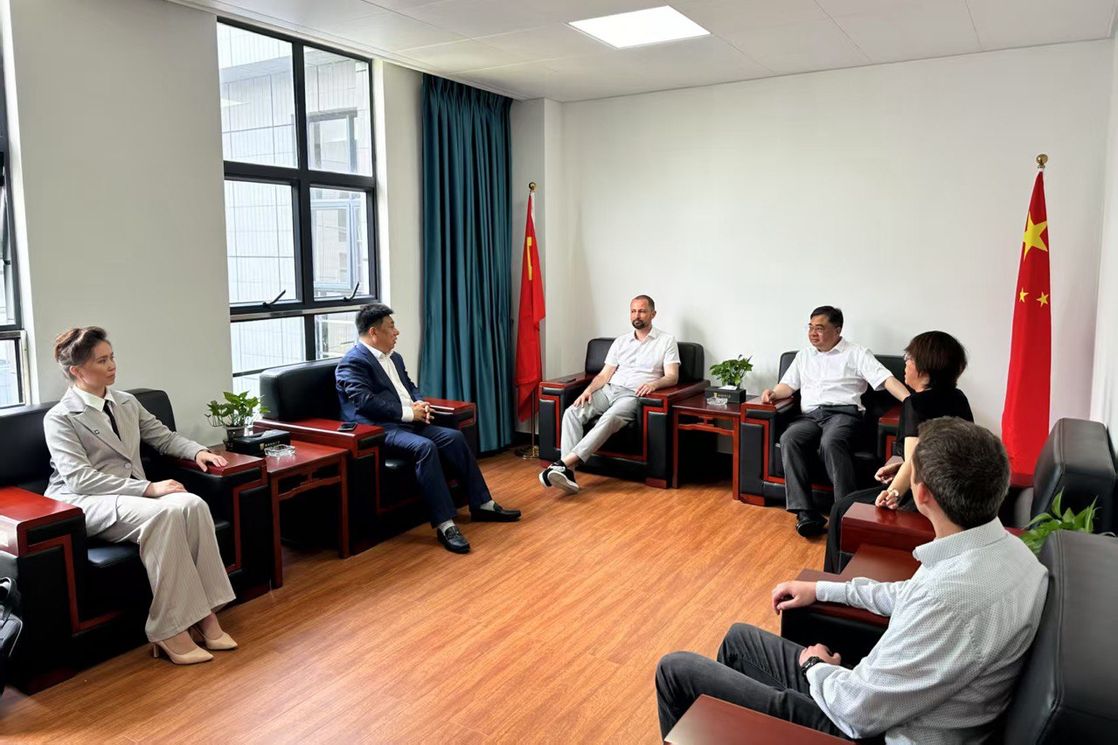
During a meeting at South China University of Technology in Guangzhou—a long-time partner of FURD—the parties discussed the joint development and implementation of innovative international programmes in urban studies. Following the talks, Russian and Chinese scholars agreed to begin designing an academic programme that will combine the unique expertise of both sides and aims to be a cutting-edge international educational product.
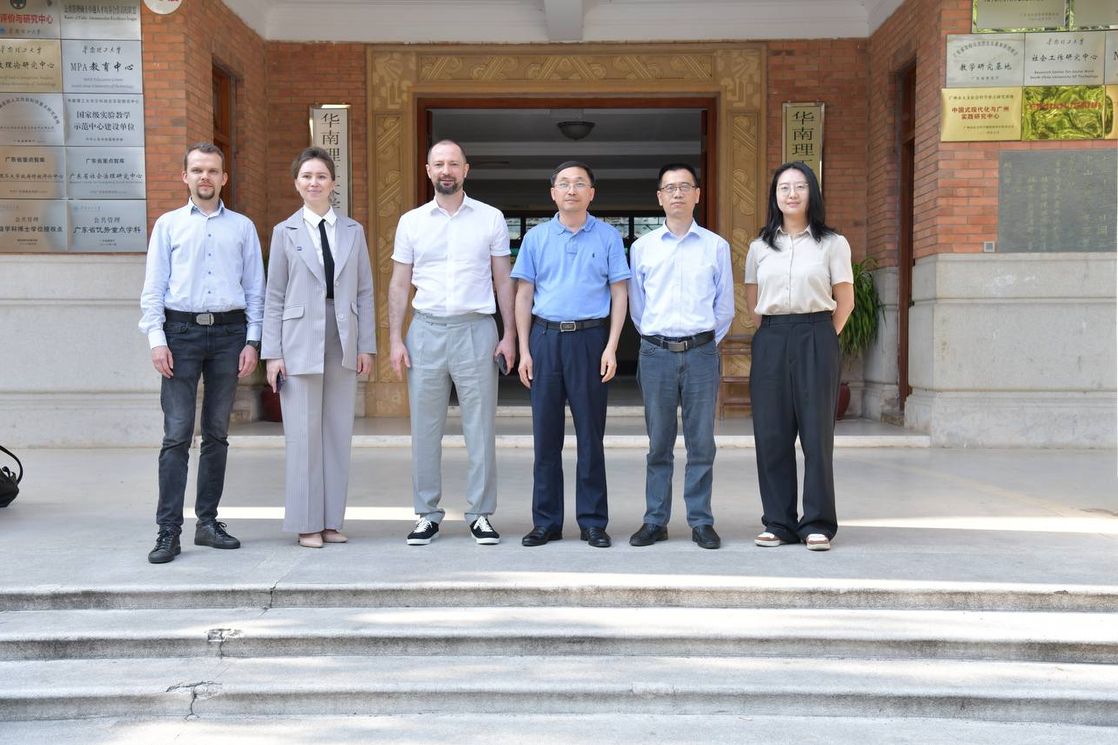
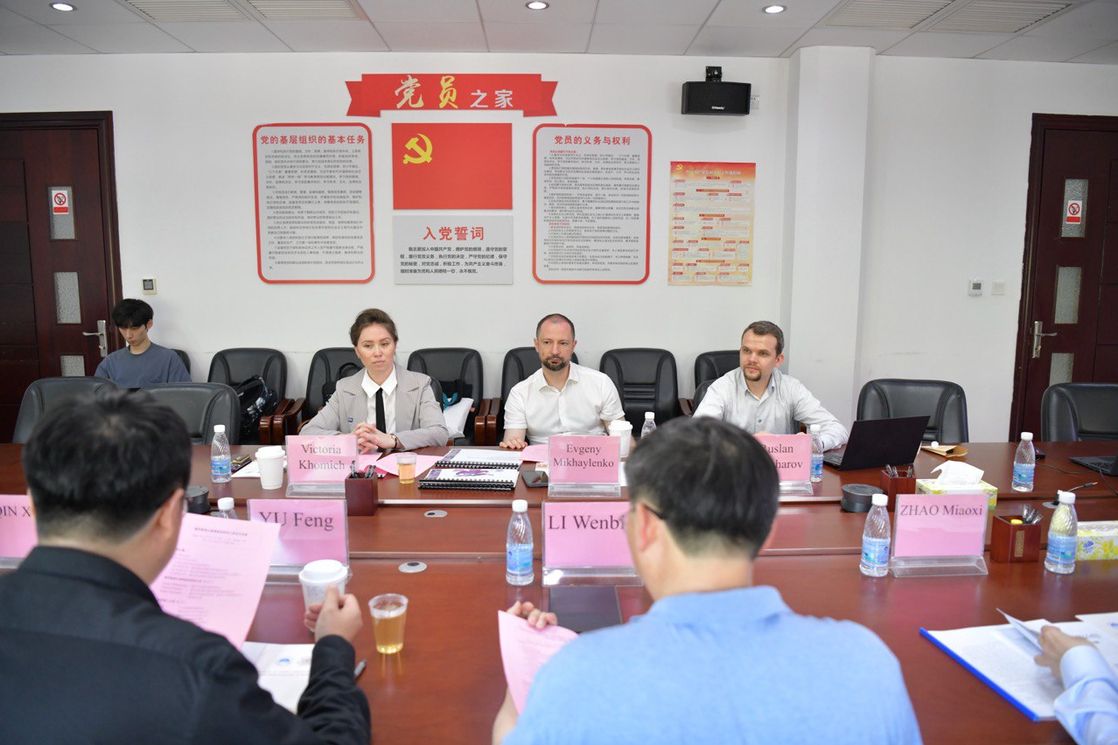

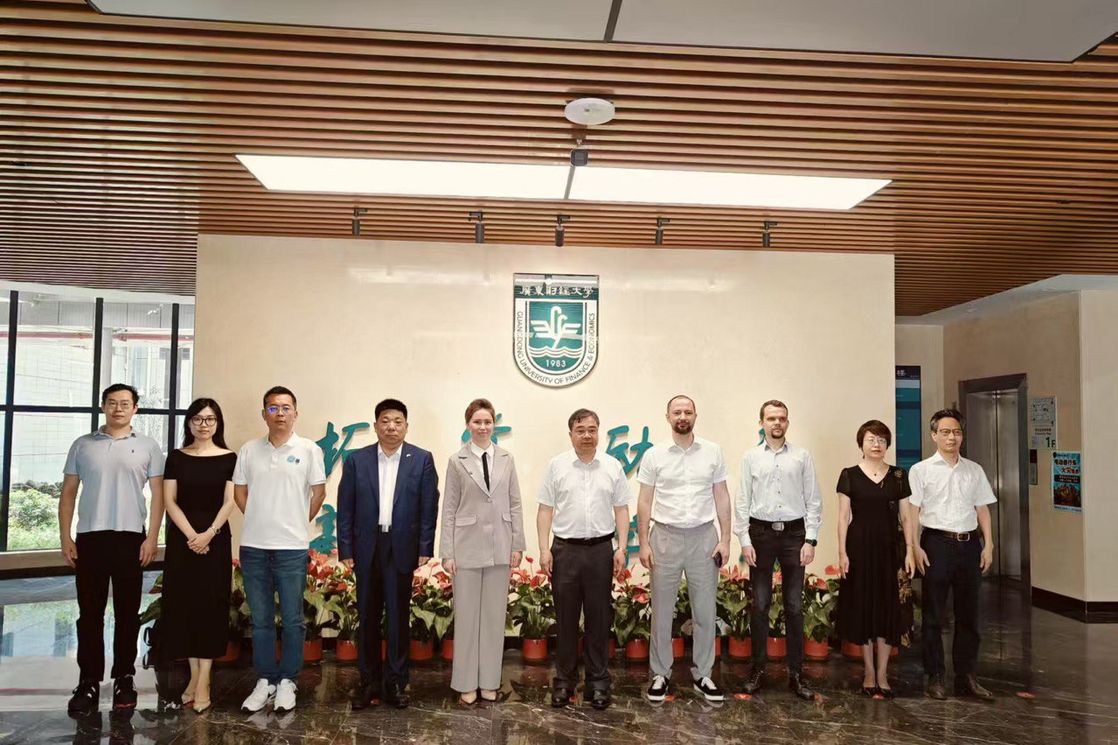
At Guangdong University of Finance and Economics (GUFE), which the FURD delegation visited in return following a Chinese visit to HSE in April, discussions focused on expanding academic exchange opportunities, organising summer schools, and conducting joint research within BRICS urban contexts. Moreover, GUFE’s urban studies team is planning a return visit to FURD in July 2025 to finalise cooperation plans and sign a partnership agreement.
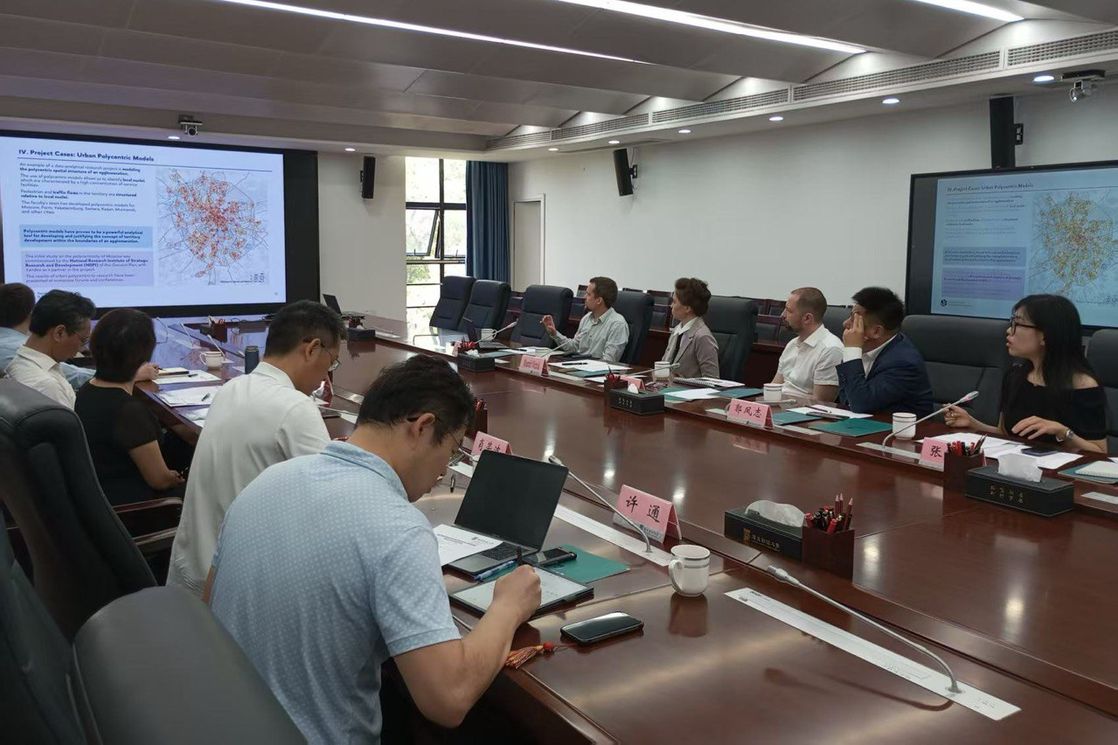
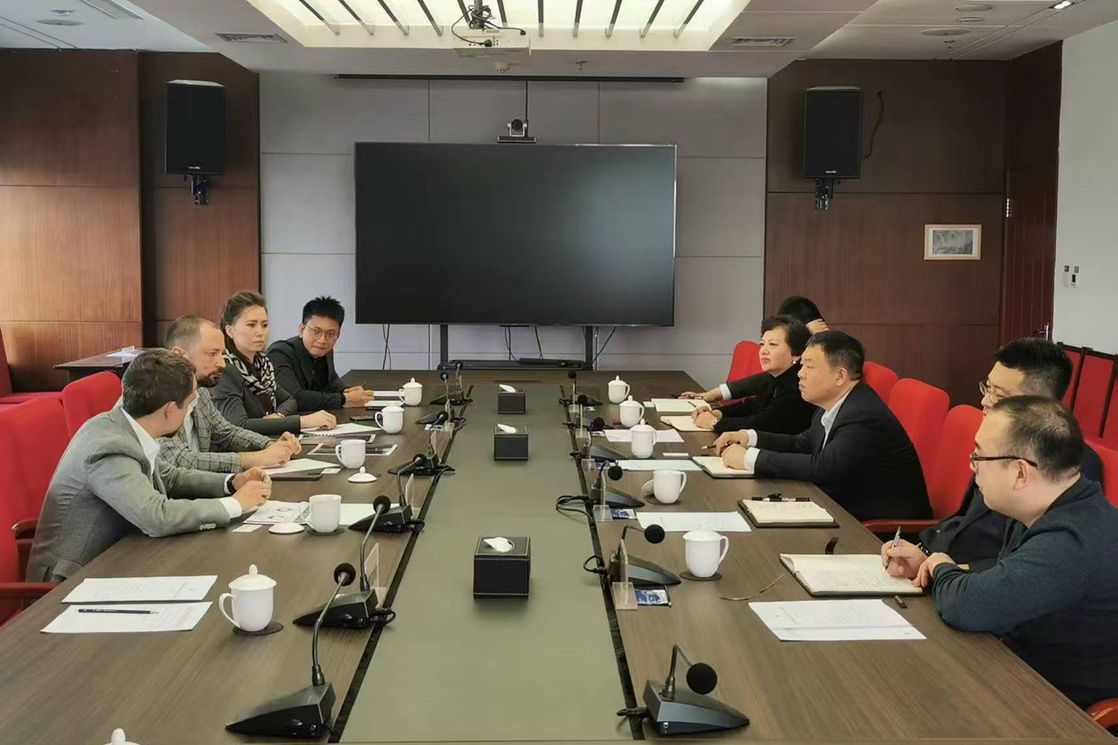
In northern China, in Shenyang, the FURD team was received by representatives of the Shenfu Reform and Innovation Demonstration Zone Management Committee, headed by Deputy Director Liu Jia, who visited FURD in 2024. During their working meeting, both sides agreed to establish a joint mechanism for academic exchanges between HSE and Shenyang universities, as well as plans for joint international events within the BRICS framework.


Victoria Khomich
‘FURD is one of Russia’s most recognisable centres of urban expertise—from the north to the south of China. Our collaboration with educational institutions, municipalities, and urban development committees in special economic zones continues to open up new opportunities for experience exchange and integration of the faculty’s potential into the international space,’ said Victoria Khomich. ‘Joint international projects like the Urban and Innovation Environment Index and the Dynamic Urbanistics initiative—winner of HSE’s International Academic Cooperation competition in partnership with Tianjin University—demonstrate how collaborative efforts with international colleagues yield truly unique results. Our next ambitious goal is to launch an international educational programme.’
Ruslan Goncharov
‘The Vysokovsky Graduate School of Urbanism has always welcomed international cooperation. Our ambition is to become a recognised expert centre in urban development across BRICS countries—and we are steadily moving in that direction. At present, our team is studying best practices in the development of small towns in several BRICS countries, including China, and assessing how applicable they are to the Russian context. We will present interim results of this research at the Vysokovsky Forum on June 5, 2025, and I take this opportunity to invite everyone to attend. We have excellent relations with our Chinese colleagues, and we are grateful for the warm welcome and active support of our research initiatives. We eagerly look forward to putting all our plans into action,’ concluded Ruslan Goncharov.
See also:

HSE Scientists Reveal What Drives Public Trust in Science
Researchers at HSE ISSEK have analysed the level of trust in scientific knowledge in Russian society and the factors shaping attitudes and perceptions. It was found that trust in science depends more on everyday experience, social expectations, and the perceived promises of science than on objective knowledge. The article has been published in Universe of Russia.
IDLab: Fascinating Research, Tough Deadlines, and Academic Drive
The International Laboratory of Intangible-driven Economy (IDLab) was established at the HSE campus in Perm 11 years ago. Its expertise in data processing and analysis allows researchers to combine fundamental studies with applied projects, including the development of risk and cybersecurity models for Sber. The head of the laboratory, Professor Petr Parshakov, and Senior Research Fellow Professor Mariya Molodchik spoke to the HSE News Service about IDLab’s work.
HSE Lecturers Awarded Yandex ML Prize 2025
The Yandex ML Prize is awarded to lecturers and heads of educational programmes who contribute to the development of artificial intelligence in Russia. This year, 10 laureates were selected from 300 applicants, including three members of the HSE Faculty of Computer Science (FCS). A special Hall of Fame award was also presented for contributions to the establishment of machine learning as an academic field. One of the recipients was Dmitry Vetrov, Research Professor at the HSE FCS.
HSE Tops Ranking of Universities Participating in Priority 2030 Programme
The Russian Ministry of Science and Higher Education has published an updated list of participants in the Priority 2030 programme. A total of 106 universities will receive support this year. HSE University was included in the first group and topped the ranking.
HSE University and Banking and Finance Academy of Uzbekistan Sign Memorandum on Scientific Cooperation
The partnership aims to foster academic collaboration in the fields of global economics, sustainable development, and Islamic finance. Strengthening academic ties with Uzbekistan represents a promising direction for scientific exchanges and the implementation of international projects in sustainable development.
HSE Scientists Optimise Training of Generative Flow Networks
Researchers at the HSE Faculty of Computer Science have optimised the training method for generative flow neural networks to handle unstructured tasks, which could make the search for new drugs more efficient. The results of their work were presented at ICLR 2025, one of the world’s leading conferences on machine learning. The paper is available at Arxiv.org.
Neural Network Trained to Predict Crises in Russian Stock Market
Economists from HSE University have developed a neural network model that can predict the onset of a short-term stock market crisis with over 83% accuracy, one day in advance. The model performs well even on complex, imbalanced data and incorporates not only economic indicators but also investor sentiment. The paper by Tamara Teplova, Maksim Fayzulin, and Aleksei Kurkin from the Centre for Financial Research and Data Analytics at the HSE Faculty of Economic Sciences has been published in Socio-Economic Planning Sciences.
‘To Help Make the World More Sustainable, Fair, and Humane’
The BRICS International School: New Generation has concluded at HSE University, bringing together more than 100 participants from 38 BRICS and Global South countries. The attendees included early-career researchers, diplomats, entrepreneurs, journalists, and civil society representatives.
Larger Groups of Students Use AI More Effectively in Learning
Researchers at the Institute of Education and the Faculty of Economic Sciences at HSE University have studied what factors determine the success of student group projects when they are completed with the help of artificial intelligence (AI). Their findings suggest that, in addition to the knowledge level of the team members, the size of the group also plays a significant role—the larger it is, the more efficient the process becomes. The study was published in Innovations in Education and Teaching International.
Advancing Personalised Therapy for More Effective Cancer Treatment
Researchers from the International Laboratory of Microphysiological Systems at HSE University's Faculty of Biology and Biotechnology are developing methods to reduce tumour cell resistance to drugs and to create more effective, personalised cancer treatments. In this interview with the HSE News Service, Diana Maltseva, Head of the Laboratory, talks about their work.