

HSE Neurolinguists Create Russian Adaptation of Classic Verbal Memory Test
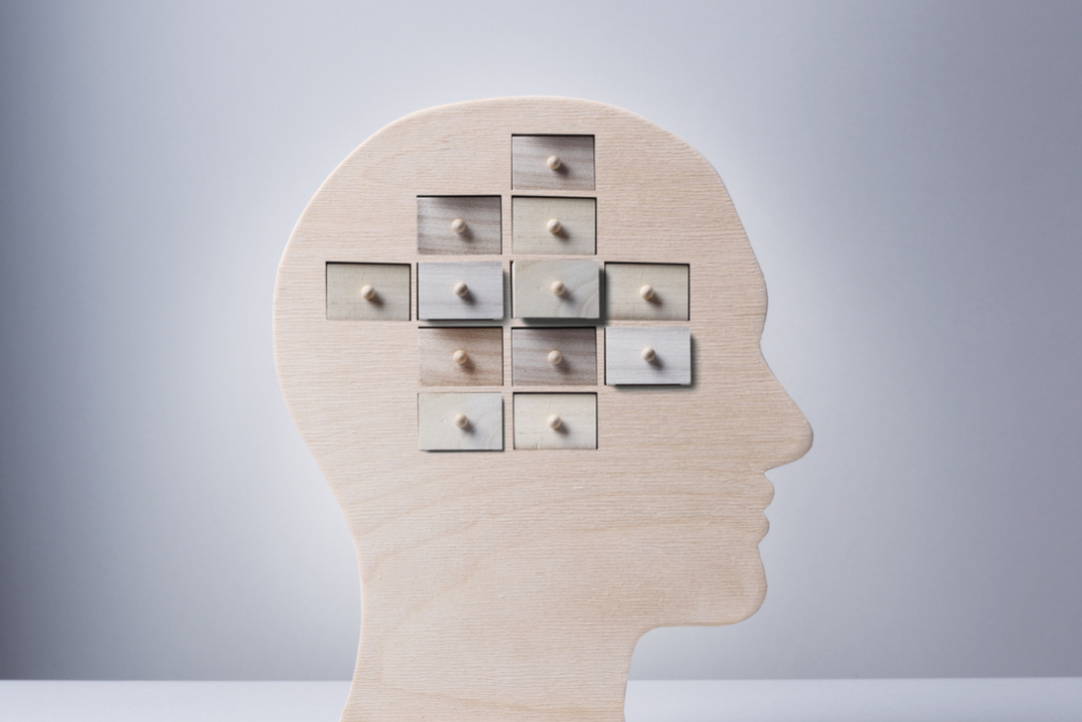
Researchers at the HSE Centre for Language and Brain and Psychiatric Hospital No. 1 Named after N.A. Alexeev have developed a Russian-language adaptation of the Rey Auditory Verbal Learning Test. This classic neuropsychological test evaluates various aspects of auditory verbal memory in adults and is widely used in both clinical diagnostics and research. The study findings have been published in The Clinical Neuropsychologist.
Memory plays a crucial role in our lives and is often negatively affected by various conditions, ranging from stroke to dementia. Clinicians need reliable, well-established tools to accurately assess this function in patients. One such method is the Rey Auditory Verbal Learning Test (RAVLT), developed by Swiss psychologist André Rey in the mid-20th century. This test, used to assess the ability to learn and retain auditory information, has been adapted into numerous languages, including Norwegian, Greek, and Arabic. However, until recently, there was no Russian-language version suitable for all ages, except a version for young adults released a year ago.
A team of researchers at the HSE Centre for Language and Brain and Psychiatric Hospital No. 1 Named after N.A. Alexeev have developed a Russian-language adaptation of the RAVLT universally suitable for testing adults of all ages.
The specialists developed three alternative word lists for memorisation, considering factors such as word length and word usage frequency. Having multiple word lists makes it possible to administer the test repeatedly without the risk of patients remembering words from previous sessions. The Russian-language version of the test has been incorporated into the RAVLT World tablet application, with automated administration and scoring. A paper-and-pencil version of the test is available for those who prefer traditional methods.

'We hope that the Russian-language adaptation of the test will be widely used by clinicians to assess memory in various patient groups, including elderly persons with suspected neurodegenerative diseases, adults after a stroke, and those with epilepsy,' says Svetlana Malyutina, Deputy Director of the HSE Centre for Language and Brain. 'The test materials are currently available in a paper-and-pencil format, and in 2025, a new RAVLT World tablet application will be launched on RuStore.'
To implement the test in clinical practice, accurate data are needed to determine when a subject's performance is considered normal and when it indicates impairment. To achieve this, the researchers tested 354 neurologically healthy Russian-speaking volunteers aged 21 to 89. The results helped establish performance norms for populations varying in age, gender, and years of education. It was found that although older individuals tend to remember fewer words than younger ones, their patterns of learning and forgetting are similar. In the future, the researchers plan to compare age-related effects in healthy aging and cognitive impairment.
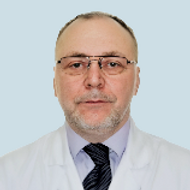
Victor Savilov
‘It is important that the assessment of test performance considers the level of education,' explains Victor Savilov, Head of the Memory Clinic Rehabilitation Department at Psychiatric Hospital No. 1 Named after N.A. Alexeev. 'This approach accounts for the impact of education on cognitive functions, allowing for detection of cognitive impairments with greater sensitivity.'
In addition, the researchers adapted the RAVLT for children and collected a large database of test performance by children aged 5 to 18. The release of the children's version of the test, planned for 2025, will be an important step in diagnosing cognitive impairments in the paediatric population.

See also:

AI Users Earn Up to 41.8% More Than Non-Users
Research conducted by economists at HSE University has revealed a significant correlation between the regular use of GenAI in the workplace and higher pay among Russian employees. The study found that individuals who frequently use GenAI in their professional activities earn notably more than those who reject these new tools or resort to them occasionally. The salary premium for highly qualified specialists reaches 41.8%. The article was published in the Voprosy Ekonomiki journal.
Personal Interest in Doctoral Thesis Topic Most Important for Confidence in Successful Defence
A researcher at HSE University analysed data on 1,539 doctoral students from 161 Russian universities to identify which features of a thesis topic are associated with academic success and engagement. The most important factor was found to be personal interest in the research topic, which was associated with almost all key aspects of doctoral programme experience—from engaging with the academic supervisor to research activity and confidence about successfully defending the thesis. The findings have been published in Higher Education.
Researchers Develop Methodology to Assess the Quality of Legal Representation in Criminal Proceedings
Having a good defence attorney in criminal proceedings can largely determine whether a defendant retains their freedom, health and good name. Researchers at HSE University propose a method for predicting an attorney’s performance based on the outcomes of their previous cases. The methodology takes into account the severity of the charges, the complexity of the cases, and the most likely outcome, drawing on judicial statistics.
When Pictures Hinder Understanding: Illustrations May Impede Learning of Abstract Ideas
Illustrations can help remember specific actions but do not always make abstract ideas easier to learn. Researchers from HSE University and Humboldt University compared how people learn from texts with different levels of abstractness. They found that participants remembered illustrations better and performed better on related tasks after reading a multimedia text about yoga asanas than after reading an abstract text about the Nash equilibrium. The findings could help improve the selection of illustrations for educational and informational materials. The study has been published in Learning and Instruction.
HSE University to Develop Predictive Analytics System for Icebreaker Motors
Industrial automation is one of the key applications of artificial intelligence. A predictive analytics system for large electric motors is among the solutions being developed for the industry as part of HSE University’s Strategic Technological Project ‘Multi-Agent Platform of AI Solutions for Industry-Specific Tasks.’ What is predictive analytics, how can it improve the operation of electric motors, and what specialists joined forces to develop this technology? Anton Zarubin, Dean of the School of Computer Science, Physics, and Technology at HSE University–St Petersburg and the project development coordinator, explains in this interview with the HSE News Service.
How to Assess Students’ Knowledge in the Age of AI
A researcher at HSE University has proposed a flowchart to help lecturers decide how to assess students who use artificial intelligence. It shows where the use of AI should be restricted and where it can be incorporated into the learning process. The article has been published in IT Professional.
Scientists Train Neural Network to Generate Process Plans from 3D Models
Researchers at the HSE FCS AI and Digital Science Institute have developed CAD2TechSpec, a framework that converts 3D models of mechanical parts into machining process plans—step-by-step instructions for machine tools. The solution aims to reduce the time required for the design and preparation of technical process documentation in mechanical engineering, aircraft manufacturing, and other high-tech industries. The study findings have been published in PeerJ Computer Science.
Biologists Discover 'Molecular Fingerprint' of Preeclampsia
Researchers at HSE University employed a new method to model hypoxia in placental cells during pregnancies complicated by preeclampsia and identified molecular markers of tissue hypoxia. Since hypoxia is one of the key mechanisms underlying preeclampsia, these findings are important for a more accurate and timely diagnosis of the disease and for the development of effective treatment methods. The paper has been published in Placenta.
‘Hedgehog’ Versus ‘Relatives’: Researchers Measure How the Brain Responds to Unexpected Words During Natural Speech
Russian neurophysiologists, including researchers from HSE University, have demonstrated the feasibility of using event-related fields (ERFs) to study brain activity during natural speech perception. The researchers showed that this approach can be applied not only to individual words but also to continuous speech. Their findings indicate that words whose meanings differ significantly from the preceding context require longer processing times. The study also reveals that the brain processes function words in two stages: first, it identifies their grammatical role and then uses this information to predict the next word. The study has been published in Frontiers in Human Neuroscience.
HSE Researchers Create New Corpus of Early Child Speech in Russian
Researchers at the HSE Centre for Language and Brain have presented RusLan-M, an open multimedia corpus that makes it possible to trace the development of early child speech in Russian from first words to the emergence of complex grammatical constructions. The database contains around 41 hours of video recordings and more than 35,000 child utterances. The new resource will help researchers study more precisely how children acquire Russian and, in the longer term, develop more reliable tools for assessing speech development. The study has been published in Language Resources and Evaluation.